



Read the latest healthcare insights.
Integrated healthcare has been proven to improve outcomes, reduce costs, and lower rehospitalization rates. Here, we share insights from the field, tips for caregivers and patients, and news from the Nexus network.

Accelerating ventilator weaning with a rigorous, patient-centered approach. »
For patients recovering from severe illnesses or injuries, ventilator dependence can feel like an insurmountable barrier. At Nexus Health Systems, we see it as an opportunity to make a difference — by helping patients take their first breath of independence.… Read More Accelerating ventilator weaning with a rigorous, patient-centered approach.

Disaster preparation tips for medically complex kids. »
If you or someone you love lives with complex medical conditions, you’re no stranger to planning. Managing medications, maintaining an appointment schedule with multiple physicians, and preparing for any out-of-home trip require significant forethought. Planning for an emergency situation is… Read More Disaster preparation tips for medically complex kids.

Transitional care unit: what it is, who qualifies, and how treatment impacts patient recovery. »
Most people are familiar with the ER or ICU, but have you ever wondered where patients can go once they’re stable? One of the most important stages of hospital recovery occurs in the transitional care unit — also known as… Read More Transitional care unit: what it is, who qualifies, and how treatment impacts patient recovery.
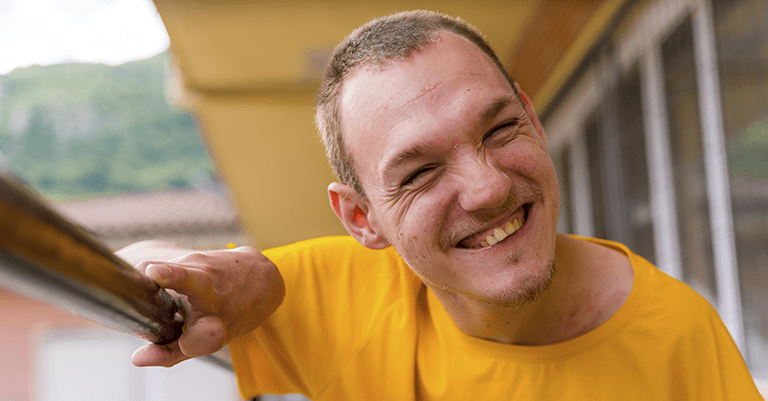
Here’s how to find help for a medically complex child »
The National Institutes of Health (NIH) identifies “complex patients” as those with complex healthcare needs, multiple chronic conditions, many medications, multiple providers, frequent hospitalizations, and limited abilities1. They noted there are factors that contribute to patient complexity, from age and… Read More Here’s how to find help for a medically complex child
How to talk to your at-risk youth about residential treatment »
For more than a decade, mental, behavioral, and substance abuse disorders have been on the rise among young people. The COVID-19 pandemic only added to increasing instances of persistent sadness and hopelessness, as well as suicidal thoughts and behaviors1. For… Read More How to talk to your at-risk youth about residential treatment
How cognitive therapy supports brain injury rehabilitation »
Catastrophic neurological injuries leave a lasting impact on the body and mind. After sustaining a brain or spinal cord injury, some patients have trouble balancing, moving their limbs, speaking, seeing, and hearing. In addition to physical impairments, cognitive deficits in… Read More How cognitive therapy supports brain injury rehabilitation
Top 3 benefits of a psychiatry program with integrated medical care »
If your child sustained a traumatic injury as the result of a car accident, the need for medical care would be obvious. Broken bones, damaged organs, and lacerations have visible effects that can’t be ignored. But what if your child… Read More Top 3 benefits of a psychiatry program with integrated medical care
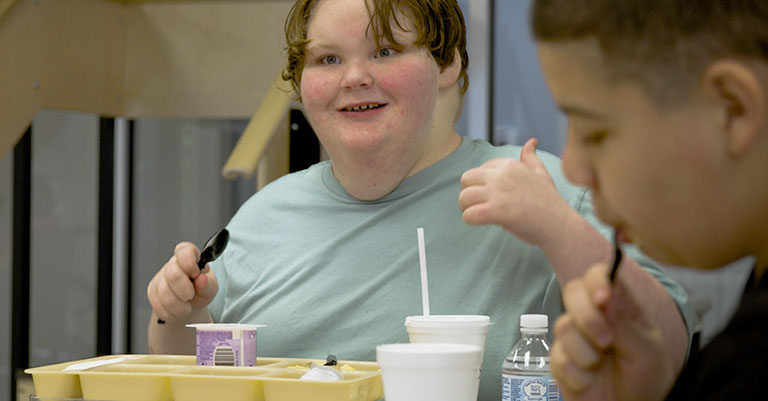
6 tips for staying healthy after a Prader-Willi Syndrome program »
For children and adolescents with Prader-Willi Syndrome (PWS), inpatient programs can be life-changing. They offer structured, supportive environments in which patients can shed pounds through controlled diets, physical training regimens, medical interventions, and behavioral therapies. After successfully completing a child… Read More 6 tips for staying healthy after a Prader-Willi Syndrome program