




Read the latest healthcare insights.
Prader-Willi Syndrome (PWS) is a rare genetic disorder that results in a cluster of physical, mental, and behavioral problems. The defining characteristic of this patient population is an inability to feel full. Here, we share insights from the field, tips for caregivers and patients, and news from the Nexus network of care.
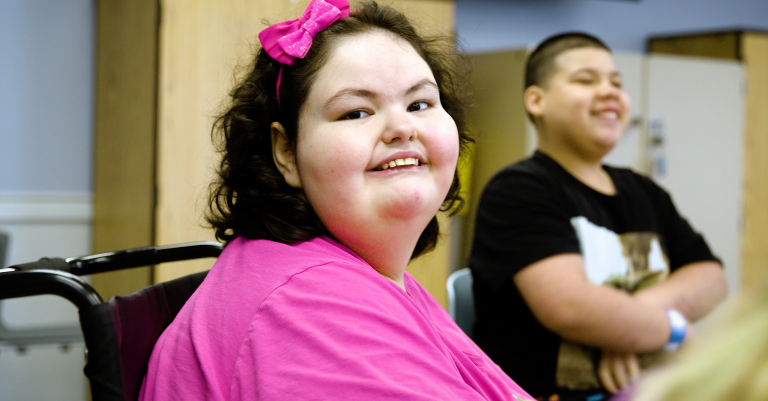
Does your child need a residential PWS program? Understanding your care options. »
When families search for a residential PWS program, they’re often at a breaking point, unable to manage complex behavioral challenges at home and unsure where to turn. Understanding when residential care is the best option, and more importantly, which type…
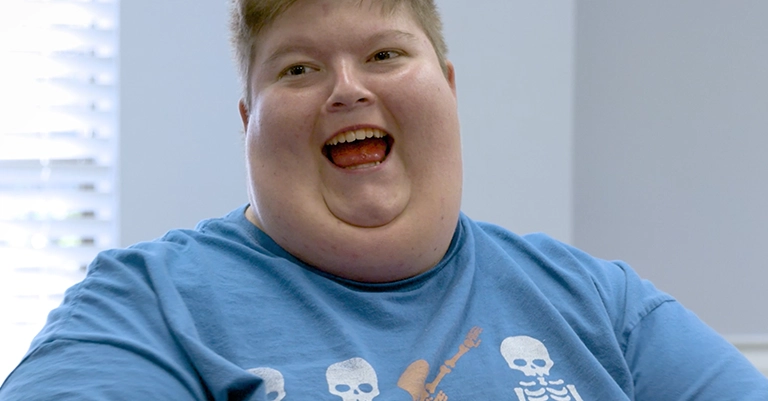
When is an inpatient program appropriate for Prader-Willi Syndrome? »
Prader-Willi Syndrome (PWS) is a complex genetic condition that requires highly specialized management. Characterized by hyperphagia (or an inability to feel full), hypothalamic dysfunction, obesity-related metabolic complications, cognitive impairment, behavioral dysregulation, and multiple co-occurring conditions, it often demands a coordinated,…

A Nexus study aims to optimize inpatient PWS treatment. »
Since Prader-Willi Syndrome (PWS) was first identified in 1956, management strategies have been developed to address the complex cluster of symptoms associated with the disorder. The rapid weight gain, constant craving for food, learning difficulties, and behavioral challenges that characterize…
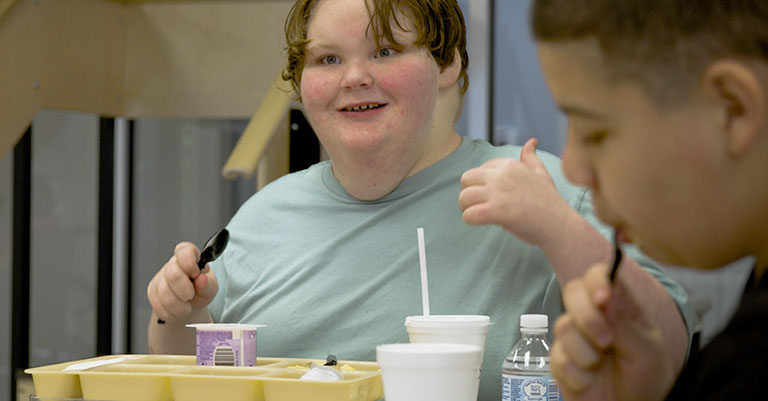
6 tips for staying healthy after a Prader-Willi Syndrome program »
For children and adolescents with Prader-Willi Syndrome (PWS), inpatient programs can be life-changing. They offer structured, supportive environments in which patients can shed pounds through controlled diets, physical training regimens, medical interventions, and behavioral therapies. After successfully completing a child…